The Hidden Hazards: Unmasking Flight Attendant Safety Risks Beyond the Cabin Door
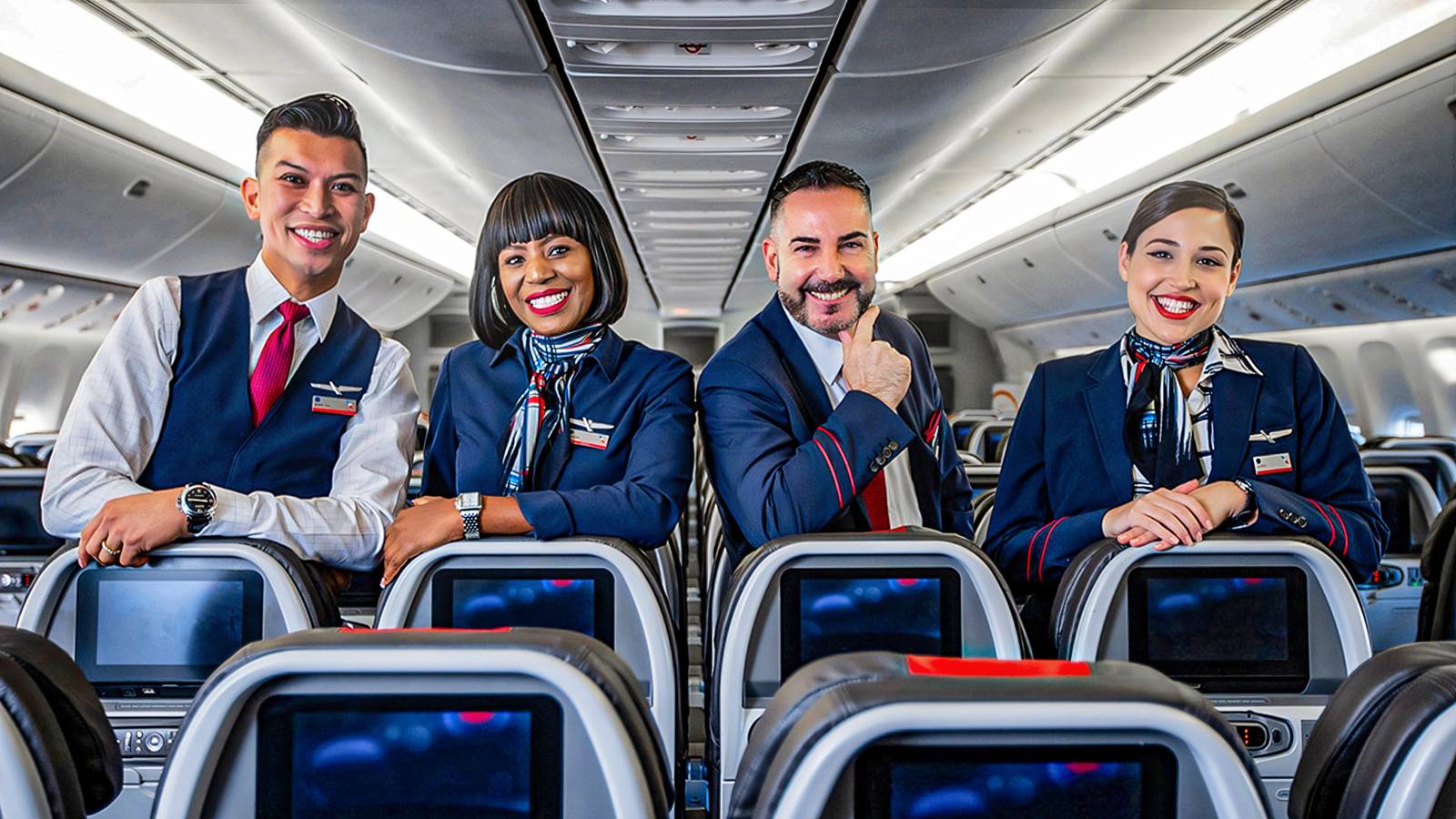
The image of a flight attendant often conjures thoughts of sophisticated travel, impeccable service, and a vibrant, global lifestyle. Yet, beneath the polished uniform and friendly smile lies a profession inherently fraught with unique and significant safety risks. Far from being mere "waiters in the sky," flight attendants are highly trained safety professionals, responsible for hundreds of lives at 30,000 feet. Their duty of care extends not only to in-flight emergencies but also to the less visible dangers that lurk during international layovers. For an American Airlines Flight Attendant, or any airline crew member, understanding and mitigating these threats is a crucial part of their daily reality.
This article delves into the dual spectrum of risks faced by these essential aviation personnel: the terrifying immediacy of in-flight security breaches like hijackings, and the insidious, often overlooked, threats encountered during layovers in unfamiliar territories.
The Unseen Battle: Flight Attendants and In-Flight Security Risks
While reinforced cockpit doors and advanced screening have dramatically altered the landscape of air travel security since the early 2000s, the threat of in-flight incidents, including attempted hijackings or unruly passenger behavior, remains a tangible concern. Flight attendants are, by design, the first line of defense, trained to de-escalate situations, respond to medical emergencies, and guide passengers through critical events.
The tragic events of September 11, 2001, serve as a stark reminder of the extreme dangers flight crews can face. On that devastating day, American Airlines Flight 11 became a symbol of vulnerability. Less than fifteen minutes after takeoff, hijackers violently breached the cockpit. The incident involved the injury of two flight attendants, the murder of a passenger, and the forceful relocation of remaining passengers and crew to the rear of the aircraft. The hijackers then assaulted both pilots, seizing control of the aircraft. This horrific scenario underscored the immense bravery and the ultimate powerlessness of flight attendants when confronted with determined, violent assailants before the current security protocols were implemented.
Today, while the methods of attack have evolved, the responsibility of a flight attendant to identify threats, report suspicious activity, and manage cabin safety remains paramount. Their training now includes advanced self-defense techniques, terrorism awareness, and sophisticated de-escalation strategies. Despite these advancements, the close confines of an aircraft cabin mean that any security breach places flight attendants directly in harm's way, making their role both critical and perilous.
Layover Dangers: A Global Concern for Flight Crews
The allure of travel is often cited as a key motivation for becoming a flight attendant. However, international layovers, while offering glimpses of exotic locales, also expose crew members to a different, often more insidious, set of dangers. Away from the structured environment of the aircraft and airport, flight attendants can become targets for crime, scams, or other threats in unfamiliar cities. The recent, deeply concerning case of a missing American Airlines Flight Attendant in Colombia has brought this critical issue into sharp focus, intensifying questions around crew safety on overseas stops.
Reports from Colombian investigators indicate that a body believed to be that of the missing U.S. flight attendant was discovered in a rural area of Antioquia department, several hours from central Medellín. The crew member had disappeared during a scheduled stop in the city, with contact abruptly lost soon after arrival. This incident, now being treated as a suspected homicide, cast a harsh spotlight on crew safety and traveler security, even in destinations popular with tourists.
The discovery, in an area known for coffee farms and winding rural highways far from typical tourist circuits, highlights the extreme vulnerability when crew members venture beyond secure hotel zones or travel solo. Items believed to belong to the missing crew member were recovered near the scene, underscoring the severity of the situation and the immediate need for thorough investigation. Such events prompt urgent discussions within the aviation community about what more can be done to protect those who transport millions of passengers globally. For more in-depth coverage of this incident, you can refer to articles such as Crew Safety Under Scrutiny: AA Flight Attendant Case in Colombia.
Common Layover Threats Include:
- Petty Crime: Pickpocketing, bag snatching, and other forms of theft are common in many tourist areas.
- Violent Crime: While less frequent, flight attendants can be targets of muggings, assaults, or even more severe crimes, especially if they are perceived as affluent tourists.
- Scams: Travelers, particularly those who appear foreign, are often targets for various confidence tricks designed to defraud them.
- Transportation Risks: Unlicensed taxis or ride-shares, or walking alone in unfamiliar areas, can lead to dangerous situations.
- Isolation and Lack of Local Knowledge: Being alone in a foreign country without a strong support network or understanding of local customs and dangerous areas can increase vulnerability.
- Health Risks: While not a direct threat from others, unfamiliar food, water, or diseases can also pose significant risks during international travel.
Navigating the Unknown: Essential Safety Tips for Flight Attendants
Given the dual nature of these risks, comprehensive training and personal vigilance are indispensable. Flight attendants are equipped with extensive safety protocols, but individual awareness and proactive measures play a critical role in minimizing exposure to danger.
In-Flight Safety Best Practices:
- Situational Awareness: Constantly observe passengers and their behavior. Any unusual activity, nervous demeanor, or deviation from norms should be noted and reported.
- De-escalation Training: Utilize verbal and non-verbal techniques to calm agitated passengers and prevent situations from escalating into security threats.
- Emergency Procedures: Maintain proficiency in all emergency response protocols, including those for security breaches, medical emergencies, and evacuations.
- Teamwork: Collaborate closely with fellow crew members and pilots, ensuring clear communication and coordinated responses during any incident.
- Understanding Authority: Know when and how to assert authority in the cabin and when to defer to cockpit crew or air marshals.
Layover Safety Guidelines:
- Destination Research: Prior to arrival, research the destination. Understand local customs, common scams, and areas to avoid. Knowledge is the first line of defense.
- Stay Connected: Keep in regular contact with fellow crew members, family, or friends. Inform someone of your itinerary and expected return time, especially if venturing out alone.
- Travel in Groups: Whenever possible, explore destinations with colleagues. There is safety in numbers.
- Be Discreet: Avoid openly displaying expensive jewelry, electronics, or large amounts of cash. Try to blend in and avoid looking like an obvious tourist.
- Secure Transportation: Use only reputable, official taxis or ride-share services recommended by the airline or hotel. Avoid hailing cabs off the street in unfamiliar areas.
- Hotel Safety: Utilize all hotel room security features, including double locks, deadbolts, and peepholes. Be wary of unsolicited knocks on the door.
- Limit Alcohol Consumption: Impaired judgment can significantly increase vulnerability to crime or accidents.
- Trust Your Gut: If a situation feels unsafe or suspicious, remove yourself immediately. Personal intuition is a powerful safety tool.
The tragic case in Colombia highlights that despite precautions, unforeseen dangers can arise. It underscores the importance of continuous vigilance and adapting safety strategies. To delve deeper into the ongoing questions surrounding such incidents, consider reading Unanswered Questions: AA Flight Attendant Disappearance in Colombia.
The Airline's Role in Crew Protection
Airlines bear a significant responsibility for the safety and well-being of their flight crews. Companies like American Airlines invest heavily in comprehensive security training, threat assessment, and robust support systems. This includes:
- Advanced Training Programs: Regular, intensive training on security protocols, self-defense, de-escalation, and emergency response.
- Security Briefings: Providing crew members with up-to-date intelligence and safety advisories for specific destinations, especially those with heightened risks.
- Secure Accommodations: Partnering with hotels that meet stringent safety and security standards in layover cities.
- Communication Channels: Establishing clear and accessible channels for crew members to report concerns, security incidents, or request assistance while on duty or layover.
- Post-Incident Support: Offering psychological and emotional support services for crew members who have experienced traumatic events.
While airlines strive to create the safest possible working environment, the dynamic nature of global travel means that continuous assessment, adaptation, and collaboration with local authorities are essential to mitigate evolving threats.
Conclusion
The role of an American Airlines Flight Attendant, or any airline crew member, demands a unique blend of hospitality, professionalism, and unwavering dedication to safety. From the high-stakes environment of an in-flight security breach to the often-unpredictable risks of international layovers, these professionals navigate a world filled with potential hazards. Their training, vigilance, and the support systems put in place by airlines are critical in protecting them. As travelers, we often see only the serene facade of air travel, but it is imperative to acknowledge and appreciate the profound responsibilities and inherent risks that flight attendants bravely undertake every single day to ensure our journeys are as safe as possible.